
Introduction
The world of gaming has changed dramatically as technology continues to improve. What once involved simple graphics and basic controls has developed into an interactive digital experience supported by powerful processors, advanced software, artificial intelligence, and high-speed internet connections. Today, players can explore detailed virtual environments, communicate with people around the world, and enjoy entertainment across multiple devices.
Another important part of this development is the connection between digital entertainment and modern photography, media, and creative services. Technology allows people to capture moments, create visual content, and share experiences through online platforms. These developments also influence how gaming communities present themselves and connect with audiences.
The website https://bookeleven11.com/ provides a contextual reference for discussing digital creativity and online services. Although photography and gaming serve different purposes, both industries demonstrate how digital tools have transformed the way people create, experience, and share content.
The Evolution of Modern Gaming Technology
Gaming technology has progressed through several generations of innovation. Early electronic games relied on simple visual elements, limited sound effects, and basic input systems. Despite their technical restrictions, they introduced a new form of entertainment that allowed users to interact directly with digital environments.
As computer hardware improved, developers gained access to faster processors, better graphics capabilities, and larger storage systems. These improvements made it possible to create more detailed characters, realistic environments, and complex interactive experiences.
Modern gaming platforms now include features such as:
- High-definition graphics and advanced visual effects.
- Realistic character animations.
- Online multiplayer communication.
- Artificial intelligence-powered characters.
- Cloud-based game distribution.
- Customizable controls and accessibility settings.
- Cross-device account synchronization.
These developments have made gaming more flexible and accessible. Players can choose between computers, consoles, and mobile devices according to their preferences and available equipment.
See also: The Role of Crypto News in Market Volatility
The Role of Digital Creativity in Gaming
Creativity is one of the most important elements of successful game development. Technology provides the tools, but designers and artists use those tools to create memorable experiences.
Every modern game involves several creative processes. Concept artists develop visual ideas, designers plan environments, animators create character movement, and sound specialists build audio experiences. Programmers then bring these different elements together through software.
Photography and visual media also have an important connection with game design. Developers frequently study real-world images to understand lighting, architecture, textures, landscapes, and human movement.
For example, a historical adventure may require detailed references of traditional buildings, streets, furniture, and clothing. These visual references help artists create believable digital environments.
Creative services and photography platforms, including https://bookeleven11.com/, can be considered within the wider discussion of how visual content contributes to modern digital culture. The relationship between photography and gaming highlights the importance of observation, composition, and visual storytelling.
How Graphics Technology Creates Immersive Experiences
Graphics technology has become one of the most visible areas of progress in gaming. Modern graphics processors can handle detailed textures, complex lighting, reflections, and realistic environmental effects.
Developers use advanced rendering techniques to create virtual worlds that look more natural. Lighting systems can simulate sunlight, artificial illumination, and changing weather conditions. Shadows and reflections add depth, while detailed textures make objects appear more realistic.
Photographic techniques also influence the way game environments are designed. Composition, camera angles, depth of field, and color balance help guide the player’s attention.
A game set in a coastal environment, for example, may use natural lighting and carefully selected colors to create a peaceful atmosphere. A futuristic city might use strong contrasts, reflective surfaces, and bright visual elements to communicate a different mood.
The connection between photography and digital graphics shows that visual quality depends on more than technical power. Good artistic decisions are equally important.
Artificial Intelligence and Smarter Gaming Systems
Artificial intelligence has become an important tool in modern game development. It allows developers to create characters and systems that respond to user actions rather than following completely fixed instructions.
In many modern games, AI controls character movement, environmental reactions, and decision-making. These systems can make virtual worlds feel more active and responsive.
Artificial intelligence also supports creative production. Developers may use AI-assisted tools to organize visual references, generate early design concepts, or speed up repetitive production tasks.
For example, a development team creating a large digital city may use automated tools to assist with placing buildings, roads, and environmental objects. Human designers can then review the results and make adjustments.
AI can also support accessibility through intelligent tutorials and personalized guidance. New players may receive explanations based on their progress and familiarity with the controls.
However, developers must test AI-generated content carefully. Accuracy, originality, privacy, and human supervision remain important considerations.
Mobile Gaming and the Growth of Digital Access
Smartphones have changed how people experience digital entertainment. Modern mobile devices contain powerful processors, high-quality displays, improved cameras, and advanced connectivity features.
These capabilities allow developers to create games with detailed graphics and responsive controls. Mobile platforms also support social features, cloud synchronization, and regular software updates.
One reason mobile gaming has become popular is convenience. Players can access compatible entertainment without needing a dedicated computer or console.
Mobile technology also connects gaming with photography and content creation. Users can capture screenshots, record gameplay, edit videos, and share their experiences through online communities.
The same smartphone may therefore serve as a gaming device, camera, communication tool, and content-production system.
This combination demonstrates how different areas of technology are becoming increasingly connected.
Photography, Visual Storytelling, and Gaming Environments
Photography and gaming share several important creative principles. Both rely on composition, lighting, perspective, color, and attention to detail.
In photography, the position of a camera can completely change how a subject appears. The same principle applies to game environments. Developers carefully select camera angles to create atmosphere, highlight important objects, and guide players through different scenes.
Environmental storytelling is another area where visual design becomes important. A room containing old photographs, damaged furniture, and personal objects can communicate information about its fictional history without requiring lengthy dialogue.
Game designers can use visual details to encourage exploration. Players may notice something unusual in the background, investigate it, and discover additional information about the environment.
Photography-related creative resources can provide useful inspiration for understanding these techniques. The wider digital media environment represented by websites such as https://bookeleven11.com/ reflects how visual content remains important across different creative industries.
Cloud Computing and Online Gaming
Cloud computing has transformed the way digital services operate. Instead of storing and processing every piece of information on a single device, cloud systems use remote servers to deliver data and computing resources.
Gaming platforms use cloud infrastructure for account management, content delivery, software updates, and online multiplayer services.
Cloud gaming takes this concept further by allowing certain games to run on remote hardware. The visual output is streamed to a compatible device, while the player’s controls are transmitted back to the server.
This technology can reduce the need for powerful local hardware, although the experience depends on internet speed, connection stability, and service availability.
Cloud storage also allows supported games to synchronize saved progress across different devices. This can make it easier for players to continue their activities when switching between compatible platforms.
As internet infrastructure improves, cloud-based gaming services may become more flexible and accessible.
The Importance of Sound Design
Sound is an essential part of an immersive gaming experience. Background music, environmental effects, character dialogue, and interactive audio signals help create atmosphere and communicate information.
Modern sound engines can position audio within three-dimensional environments. This allows players to recognize the direction of footsteps, environmental movement, and other sounds.
Sound design also works closely with visual presentation. A quiet scene with soft environmental audio may feel completely different from a fast-paced environment with intense sound effects.
Developers often record real-world audio to make virtual environments more believable. They may capture natural sounds, mechanical noises, footsteps, and other effects before processing them for use in a game.
The combination of recorded audio and digital editing demonstrates another connection between creative media production and gaming technology.
Online Communities and Content Creation
Gaming communities have become an important part of digital culture. Players use forums, social networks, livestreaming platforms, and video-sharing services to exchange information and discuss their interests.
Content creators also use photography, video editing, graphic design, and audio software to produce gaming-related material. Tutorials, reviews, gameplay recordings, and visual guides help audiences discover new titles and understand different features.
High-quality content requires more than recording a screen. Creators must consider lighting, sound quality, image composition, editing, and clear communication.
For example, someone producing a gaming review may capture gameplay footage, photograph related equipment, and combine both forms of media into a structured presentation.
These creative activities show that gaming technology supports a wider digital ecosystem involving designers, photographers, editors, developers, and online communities.
Cybersecurity and Responsible Technology Use
As gaming becomes increasingly connected, cybersecurity has become a major consideration. Online accounts may contain personal information, saved progress, communication history, and transaction records.
Users should take basic precautions to protect their digital identities. Strong passwords, two-factor authentication, official downloads, and regular software updates can help reduce common security risks.
Developers also have responsibilities. They should protect user information, maintain secure systems, and provide clear privacy settings.
Responsible technology use includes managing screen time and maintaining a healthy balance between digital activities and everyday responsibilities. Regular breaks, appropriate device settings, and comfortable workstation arrangements can improve the overall experience.
Photography and creative websites also require careful handling of personal information and image permissions. Users should understand how their content may be stored, shared, or displayed online.
The Future of Gaming and Digital Media
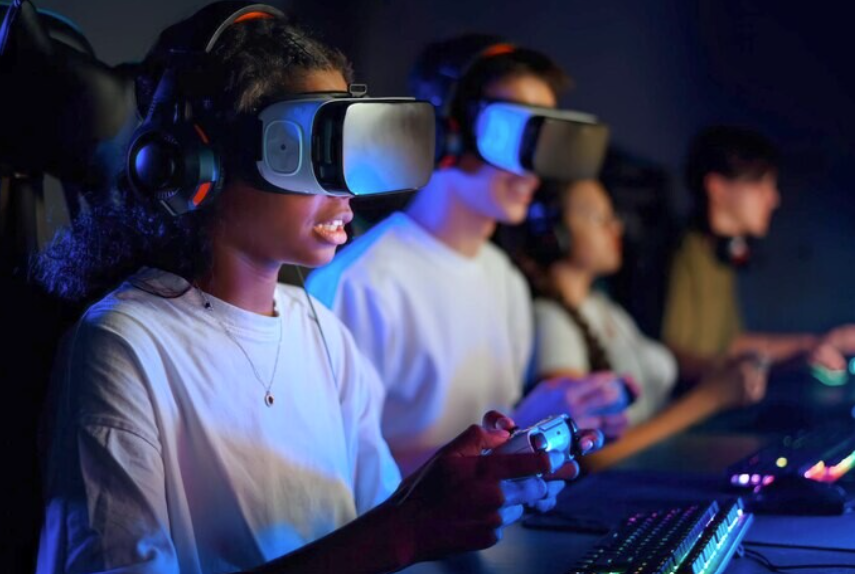
The future of gaming will likely involve even stronger connections between artificial intelligence, virtual reality, augmented reality, and digital content creation.
Virtual reality can allow players to explore computer-generated environments through specialized headsets. Augmented reality can place digital objects within real-world surroundings using compatible devices.
Artificial intelligence may create more responsive characters and personalized experiences. Meanwhile, improved graphics hardware will continue to support realistic environments and advanced visual effects.
Digital photography and video technology will also influence game development. Better cameras, image-processing software, and three-dimensional scanning can help developers reproduce real-world objects and locations with greater detail.
These technologies may also create new opportunities for education, virtual exhibitions, interactive storytelling, and digital preservation.
As these fields develop, collaboration between technology specialists and creative professionals will remain essential.
Conclusion
Game technology is much more than the hardware used to play digital entertainment. It combines graphics, artificial intelligence, sound design, cloud computing, online communities, and creative media production to build complete interactive experiences.
Photography and visual storytelling also contribute to this development by helping creators understand composition, lighting, atmosphere, and presentation. The connection between these industries demonstrates how digital creativity influences modern entertainment.
The wider digital environment, including creative services and platforms such as https://bookeleven11.com/, provides a useful context for considering how technology supports different forms of visual communication.
Ultimately, the future of gaming will depend on the combination of technical innovation and human creativity. As digital tools become more advanced, developers and content creators will have new opportunities to produce engaging, accessible, and visually impressive experiences.